Nails were valuable. Horseshoe nails were even used as a form of currency in certain circumstances. They were made from English iron which was less carboniferous than the imported iron from Spain and Sweden (used in the making of cannons).
Apart from their use by blacksmiths and in shipbuilding, nails were used in furniture making, particularly in the earlier medieval period when furniture was board made. Nails might also be used to decorate furniture and chests. Often furniture nails were tin plated as the tannins in oak wood caused iron nails to corrode. They might also be silvered on the heads to provide a furtherdecorative feature. In house building they were used to secure laths for roof tiles and in walls, when lath and plaster was used.
Randall manor was subject to a planned abandonment so there should be very few if any furniture nails but as excavations have shown that tiles were widely used on the roofs of the buildings and there was likely lath and plaster internal walls, it is probable that most, if not all of the nails will be nails used in the construction of buildings.
Sources:
Wood, Margaret (1983) The English Medieval House. Harper Collins.
Clifton-Taylor, Alec (1973) The Pattern of English Building. Faber & Faber.
Ramsey, Nigel & Blair, John (2001) English Medieval Industries. The Hambledon Press.
SWAG volunteers have previously been involved in excavations examining the possibility of a landing point for Caesar on his visits to Kent. For those you interested in this period of history The Society of Antiquaries of London is holding a free lecture on October 5th that you may wish to attend (in person or online). It is titled ‘Fighting Caesar: Britons in Gaul and Gauls in Britain in Caesar’s Battle for Gaul’. The lecture will be given by Andrew Fitzpatrick and a brief summary follows:
Julius Caesar invaded Britain in 55 BC. One of the reasons that he gave for doing so was the aid that the Britons had given to the Gauls in almost every campaign during his long Battle for Gaul. This lecture will explore the nature of that assistance through the prism of a man whose grave was discovered at North Bersted, near Chichester.
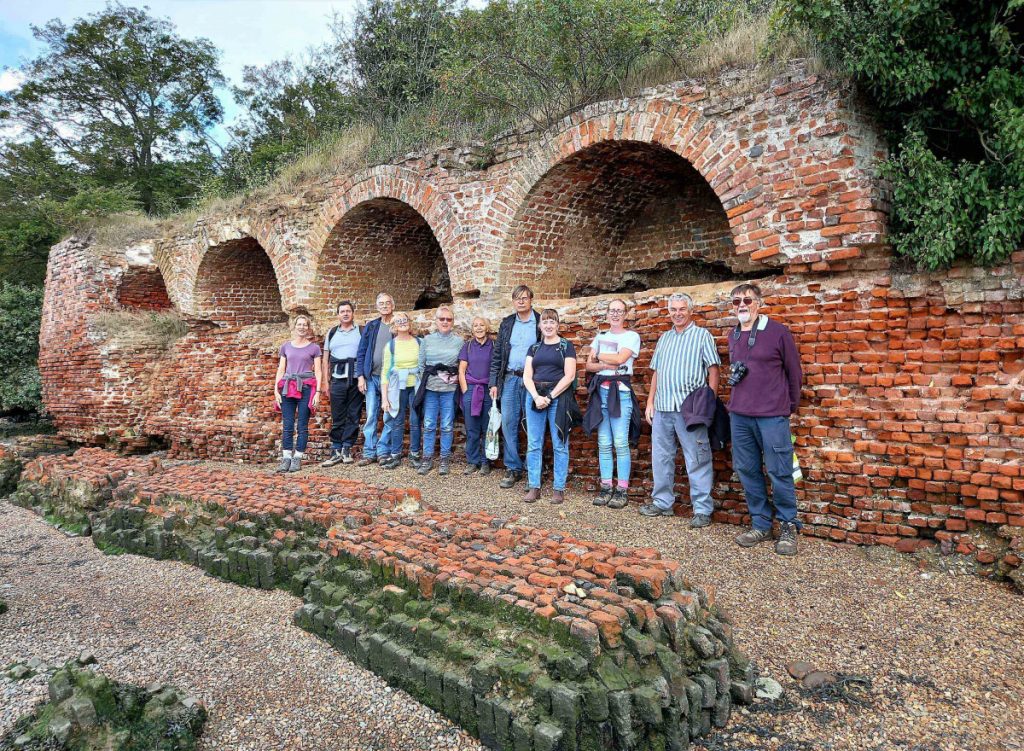
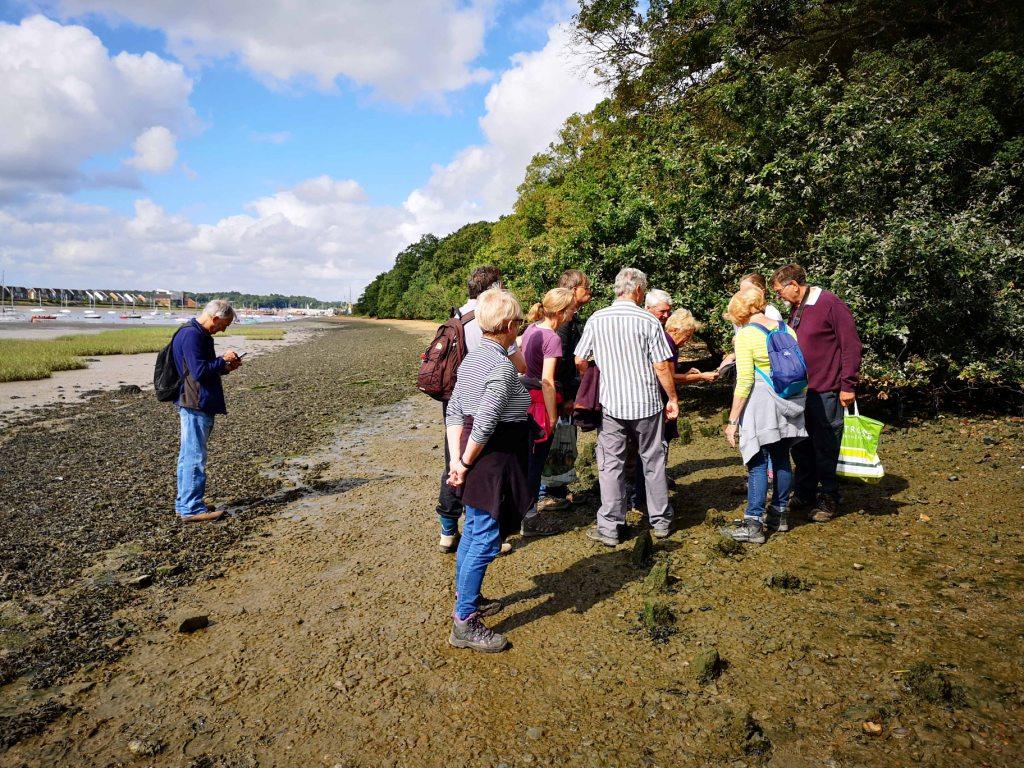
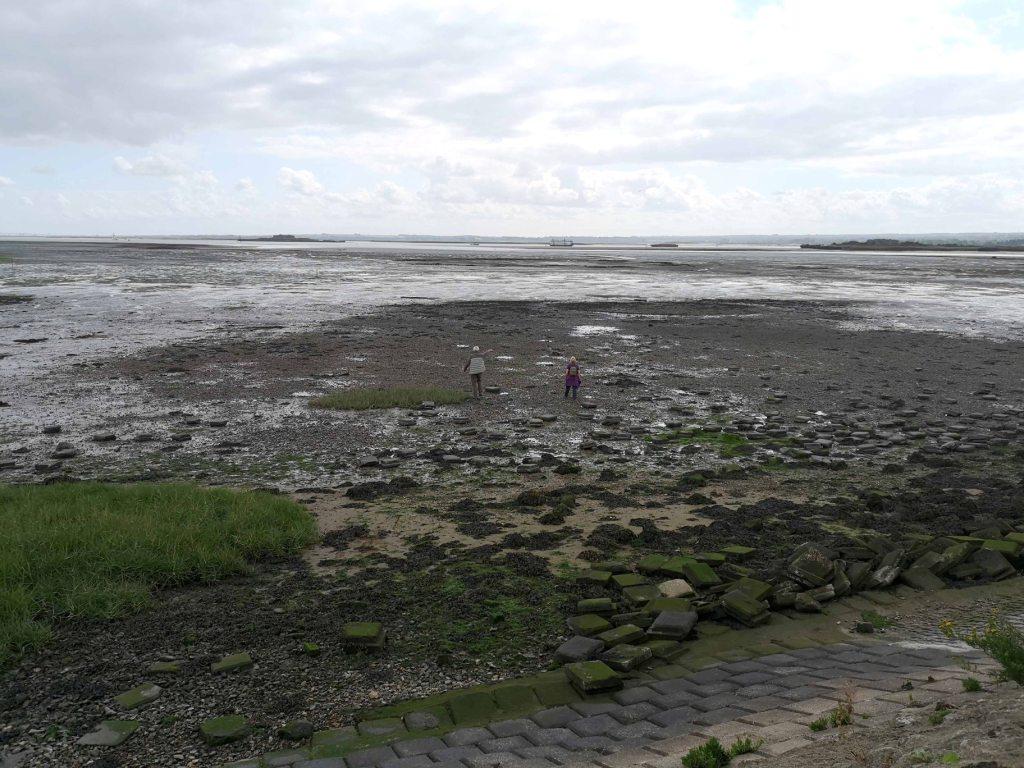
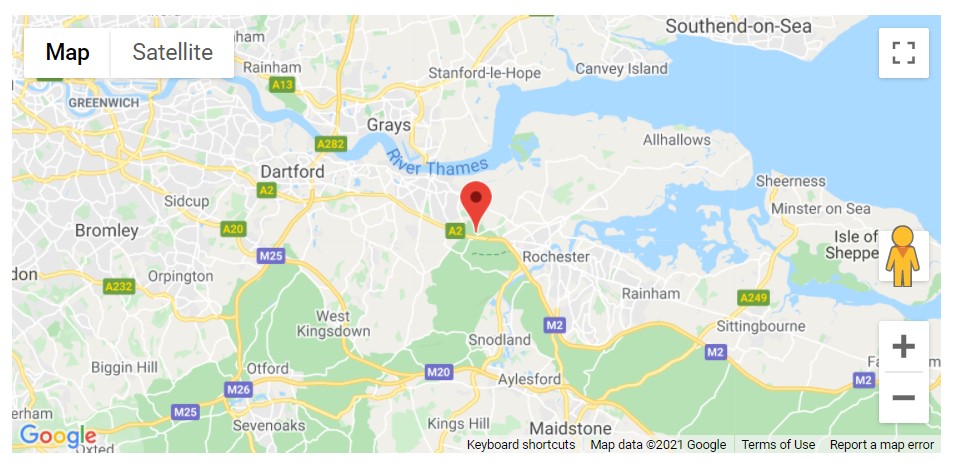
Some of the group got together this week for a ‘guided’ walk at Hoo. Emily was kind enough to guide us to Cockham Fort (dating to 1669), the boat graveyard (where Dunkirk heroine, Ena now rests), to various other military or Roman sites along the way and to St Werburgh parish church.
Created for A Day in Archaeology 2021 by Andrew Mayfield
2020 was all about running community archaeology projects through a pandemic, but 2021 has brought new challenges and opportunities…
At the end of May I started a new job as community archaeologist for the Greenwich Park Revealed project, see https://www.royalparks.org.uk/parks/greenwich-park-revealed(link is external). Over the next three years there are going to be lots of opportunites to get involved with archaeology projects at Greenwich, so do contact me on amayfield@royalparks.org.uk for more details. One of our first projects will involve removing a Victorian path from across an Anglo Saxon barrow cemetery! We are also planning a test pitting project in the deer enclosure in the SE corner of the Park (this Autumn!).
The photo looks north over part of the later 17th designed landscape. On Charles II’s return he had plans drawn up for a grand garden at Greenwich. He even consulted Louis XIV’s garden designer. The plans were never fully realised, but we will be restoring the completed elements as part of the project. The Park has everything from prehistoric flint scatters to a Roman Temple and Saxon barrows to World War Two air raid shelters…and the many conduits under the site are a story in themselves!
Key to my work in Kent are the Shorne Woods Archaeology Group at Shorne Woods Country Park (see www.shornewoodsarchaeology.co.uk(link is external)). This group of dedicated, enthusiastic, passionate and experienced volunteers continue to explore the amazing archaeology of the Park and drive me onwards to write up past projects and plan future ones in collaboration with them. They support all of my work in Kent, volunteer on other archaeology projects, support the Finds Liaison Officer with rescue projects and this very weekend will be running an open day at the park for the Festival of Archaeology, see https://festival.archaeologyuk.org/events/archaeology-park-1624814343. The photo showcases some of their current careful excavation work on the narrow gauge railway at Shorne Woods. This served the clayworks at the Park between the 1930s and 1960s and although little remains above ground, much still survives buried just beneath the surface. To learn more about our work at Shorne, do contact me at andrew.mayfield@kent.gov.uk.
When not doing all of the above, I also volunteer as a Young Archaeologists Club leader, so I encourage you to support the Council for British Archaeology in any way you can!
Visit Shorne Woods Country Park (DA12 3HX) between the 29th July and 1st of August to learn more about some of the fascinating archaeology that is being uncovered at the Park today, as well as visit some of the sites we have investigated in the past. On Thursday and Friday you can visit our excavations focusing on the remains of the twentieth century clayworks and on Saturday and Sunday you can take a mixture of self guided and guided tours around the Park, as well as taking in displays at the Visitor Centre. All for free! (Park parking charges apply).